No. 4 ·

Arietto is coming to Windows

If you write music on a PC, you can apply now: the beta comes to Windows about a week after the first Mac round. Also new: Arietto in German, Spanish and Portuguese, and a few pages of music.
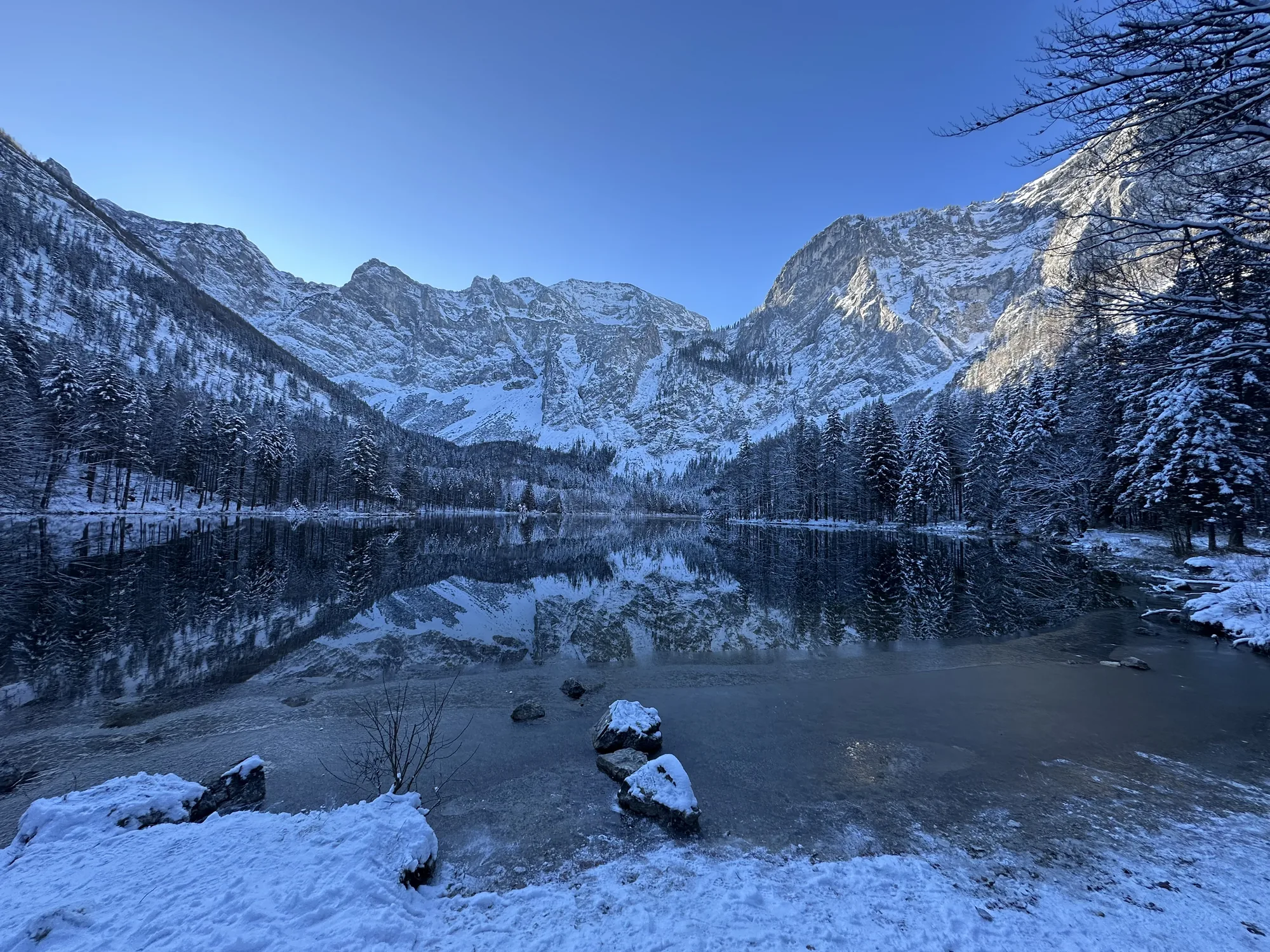
A mountain lake in winter: snow on the shore and on the stones in the shallows, the rock walls and the snowy forest mirrored in the still water.

Arietto was always meant for more than the Mac. It now runs on Windows 10 and 11. So if you write music on a PC, you can apply for the closed beta now.
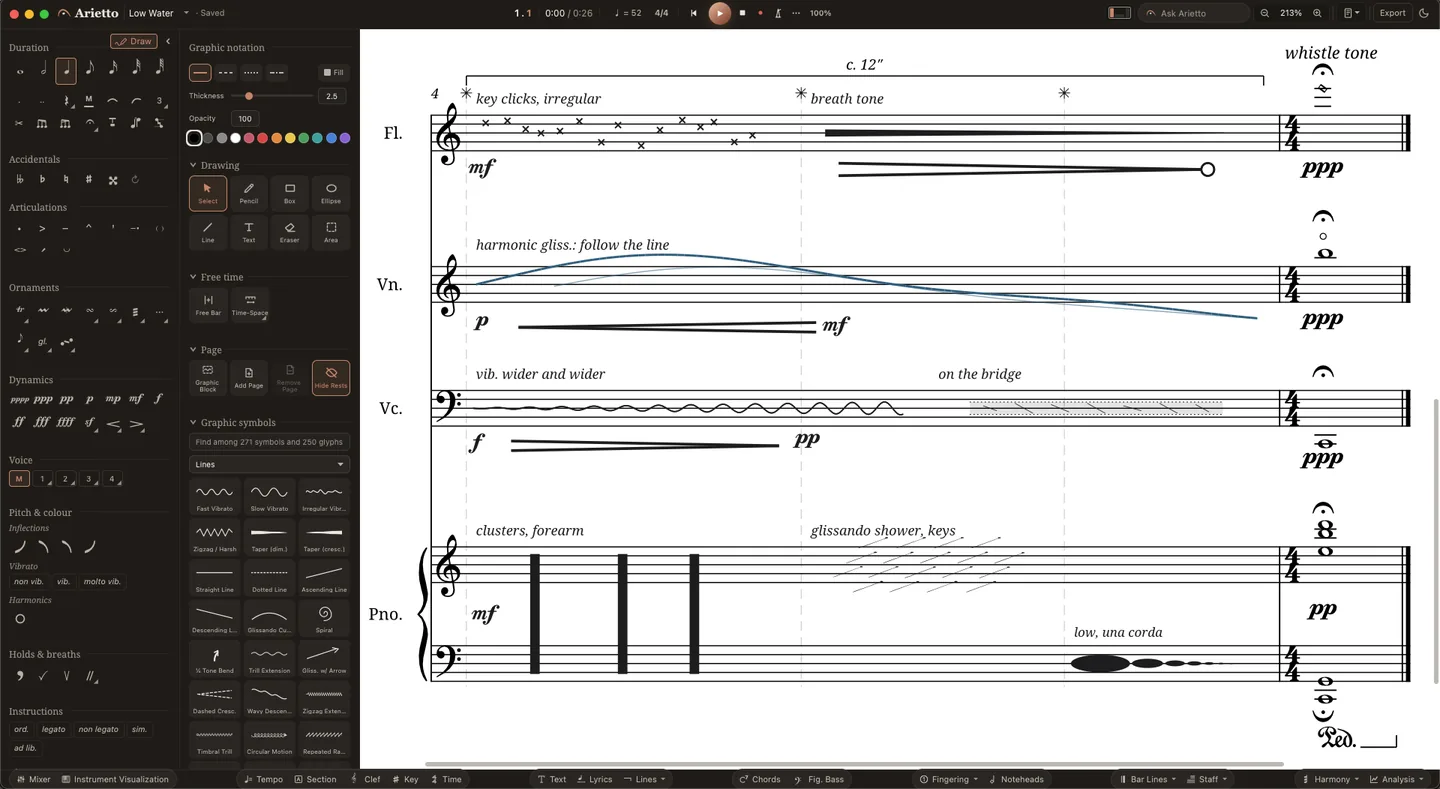
Arietto in Draw mode with Low Water, for flute, violin, cello and piano: a free-time bar of c. 12″ with key clicks and breath tone in the flute, the violin's harmonic glissando drawn as a line, the cello's vibrato growing wider and wider, forearm clusters and a glissando shower in the piano, with the Graphic notation column of drawing tools and symbols on the left, beside the page.

When it comes to Windows

The beta starts on the Mac. About a week after the first Mac round, in early December, it comes to Windows, and from then on Windows testers take part alongside the Mac rounds that follow.

On the application form, choose a Windows PC under "Your computer", or both if you write on a Mac and a PC. If you have already applied and also write on a PC, just tell me at beta@arietto.com.

One licence covers two computers, Mac or PC in any mix: a Mac at home and a PC at work, for example. On the Mac you need macOS 13 or later, on Apple silicon or Intel.

What else is new

Arietto now speaks German, Spanish and Portuguese as well as English. When something goes wrong, Help › Report a Bug lets you tell me right from inside Arietto. And seven Quick Start cards help with the first steps.

Some music to end with

Every picture here is Arietto's own: the program, and pages it engraved.
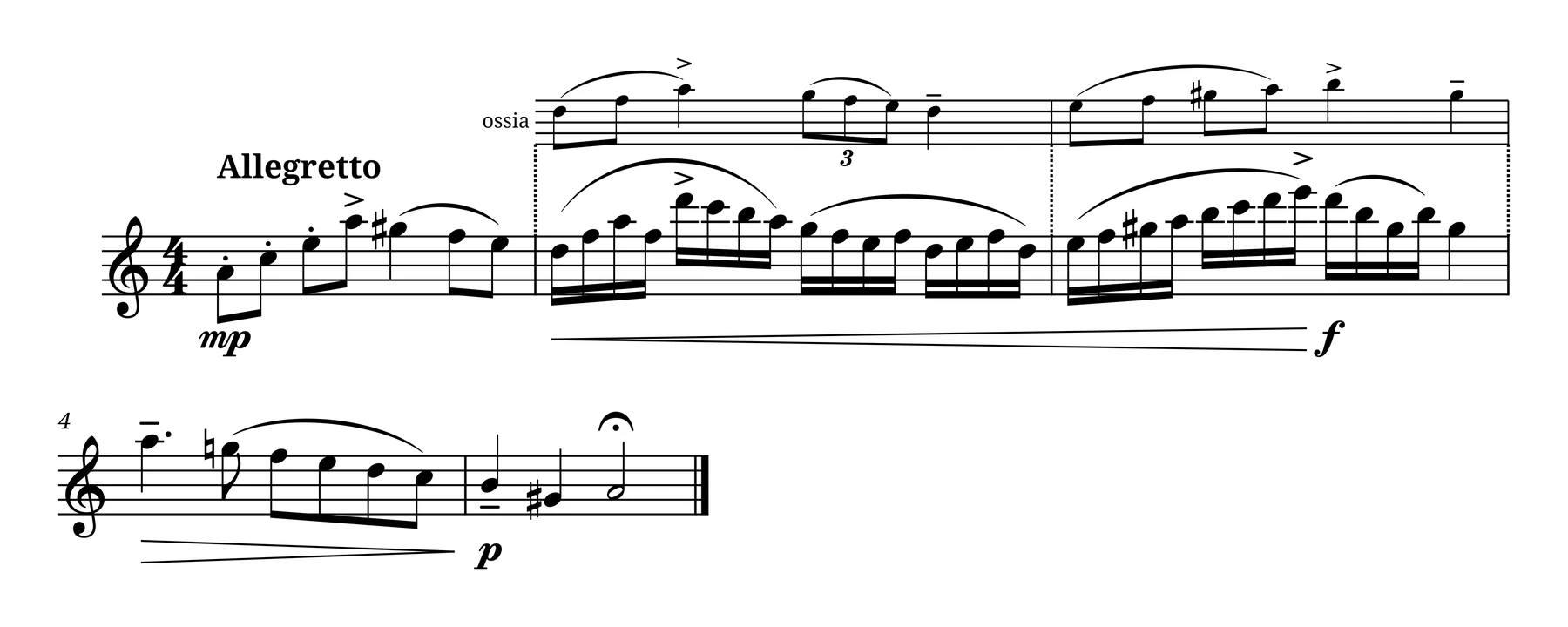
Five bars of an Allegretto in 4/4 on one treble staff, from mezzo-piano: in bars 2 and 3 a small ossia staff above the running sixteenth notes gives a simpler line in eighth notes and quarter notes, with a triplet, joined to the staff by dotted lines; under both a long crescendo hairpin grows to forte, and the last two bars come back down through a diminuendo hairpin to piano and end on a fermata.
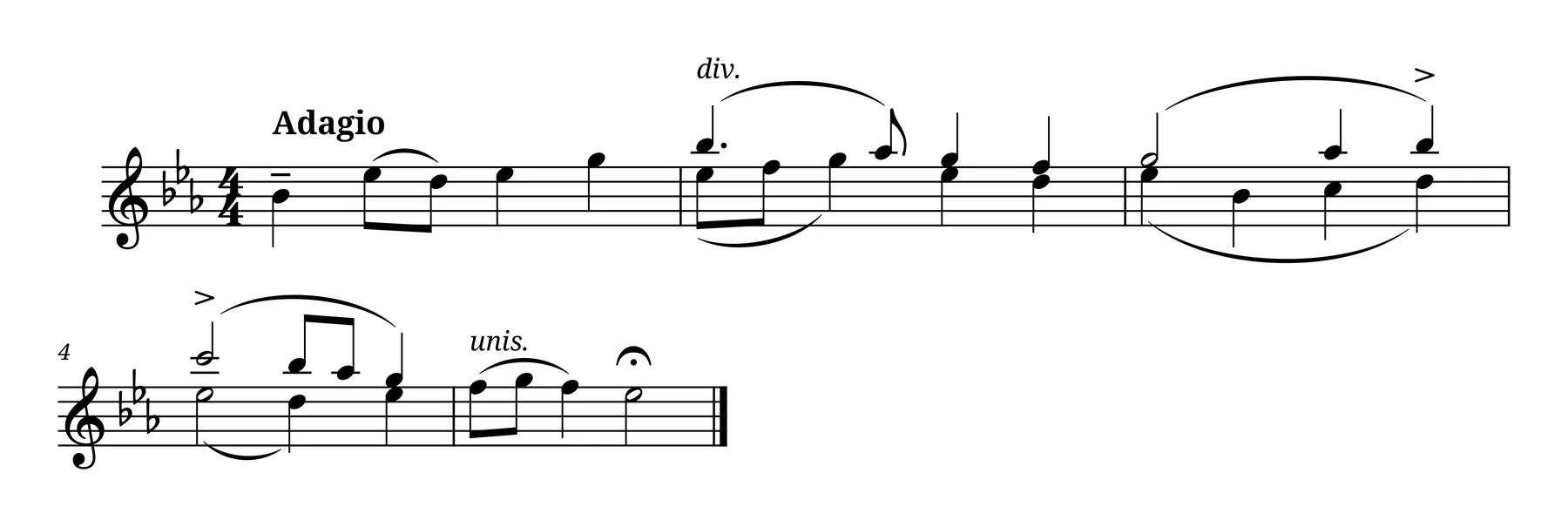
Five bars of an Adagio in 4/4 on one treble staff, in a key with three flats: at div. the line divides into two parts on the same staff, the upper with stems up and the lower with stems down, each with its own slurs and rhythm, and at unis. they join again on one line for the last bar, which ends on a fermata.

Lucas

The newsletter

One email when there is something worth reading.

What has been built, when the beta opens, and when Arietto is ready.